admin

ENDOCRINOLOGY

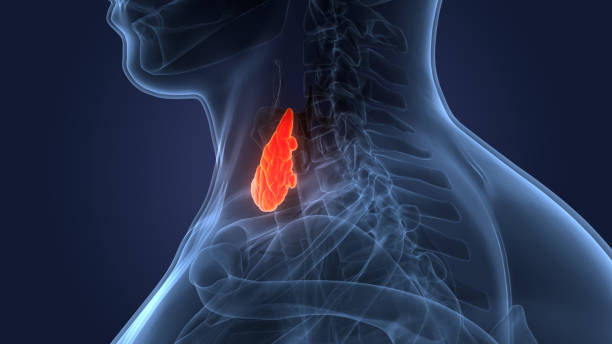
At Shashvat Ayurveda clinic, we specialize in providing natural and holistic treatments for endocrine system disorders.  The first step is to identify the underlying cause of the disorder, which can involve a thorough evaluation of the patient’s medical history, symptoms, and physical examination. The Ayurvedic practitioner may also use diagnostic tools such as pulse diagnosis, tongue examination, and urine analysis to gain insight into the patient’s Dosha imbalances. Based on the diagnosis, we will then develop a personalized treatment plan that addresses your specific needs and goals.

Our Ayurvedic treatments for endocrine system disorders include herbal medicines that help regulate hormone levels and promote optimal glandular function.  Herbal remedies play a significant role in Ayurvedic endocrinology. The Ayurvedic practitioner may prescribe herbs with adaptogenic and hormone-regulating properties. The treatment approach in Ayurvedic endocrinology involves a combination of lifestyle modifications, dietary changes, herbal remedies, and therapies. Lifestyle modifications may include stress management techniques, regular exercise, and proper sleep hygiene. Dietary changes may involve incorporating specific foods and herbs that help balance the Doshas and support healthy endocrine function.

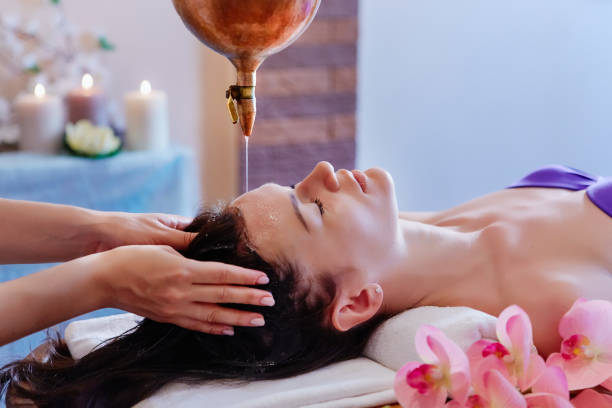
In addition, we offer various Ayurvedic therapies such as Panchakarma, which involves a combination of massage, herbal steam baths, and detoxification treatments to remove toxins from the body and restore balance to the endocrine system.

At Shashvat Ayurveda clinic, we believe in a holistic approach to healthcare that addresses the root cause of the problem rather than just treating the symptoms. We aim to provide our patients with the knowledge and tools to take control of their health and achieve optimal wellness.

If you are experiencing any symptoms of endocrine system disorders, we encourage you to schedule an appointment with our Ayurvedic doctors. We are committed to helping you achieve optimal health and well-being through natural and holistic treatments.

Book Appointment

ENDOCRINOLOGY Read More »

ONCOLOGY (INTEGRATIVE)

Oncology in Shashvat Ayurveda: An Integrative Approach to Prevention, Palliative, and Treatment of Cancer

Cancer is a complex disease involves multiple factors, including lifestyle, diet, genetics, and environmental factors that affects millions of people around the world. While modern medicine has made significant strides in the treatment of cancer, many patients seek alternative and complementary therapies to help manage their symptoms and improve their quality of life.

Shashvat Ayurveda offers a unique approach to oncology that focuses on prevention, palliative, and treatment using natural remedies and lifestyle modifications, Shashvat Ayurveda aims to treat cancer by addressing the root cause of the disease and improving the overall health and well-being of the patient.

Prevention of Cancer with Shashvat Ayurveda

 Shashvat Ayurveda clinic offer preventive strategies to reduce the risk of cancer, including lifestyle modifications, dietary guidelines, and herbal remedies.

Lifestyle modifications: Ayurvedic principles emphasize the importance of a healthy lifestyle in the prevention of cancer. Shashvat Ayurveda clinic offer guidance on healthy lifestyle practices, such as regular exercise, stress management techniques, and restful sleep.

Dietary guidelines: Ayurveda recognizes that diet plays a critical role in cancer prevention. Shashvat Ayurveda clinic offer dietary guidelines that are tailored to the individual’s constitution and health condition. A healthy diet that includes fresh fruits and vegetables, whole grains and proteins can help to prevent cancer.

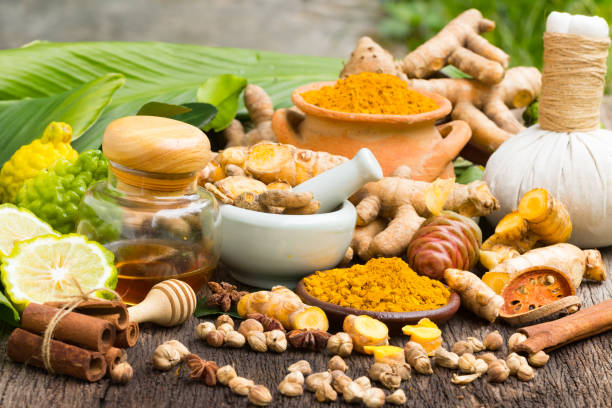
Herbal remedies: Shashvat Ayurveda offers a variety of herbal remedies that can help to prevent cancer. Herbs such as turmeric, ashwagandha, and guduchi have potent antioxidant and anti-inflammatory properties that can help to reduce the risk of cancer.

Palliative Care with Ayurveda

Cancer patients often experience a range of symptoms and side effects from their treatment, including pain, fatigue, and nausea. Shashvat Ayurveda offer palliative care strategies to help manage these symptoms and improve the patient’s quality of life.

Herbal remedies: Ayurvedic herbs such as ashwagandha, guggulu, and triphala can help to manage symptoms such as pain, fatigue, and nausea.

Dietary guidelines: Shashvat Ayurveda clinic offer dietary guidelines that can help to manage symptoms such as nausea and loss of appetite. These guidelines may include consuming small, frequent meals, avoiding spicy or greasy foods, and eating foods that are easy to digest.

Yoga and meditation: Ayurveda recognize the importance of mental and emotional well-being in cancer care. Practices such as yoga and meditation can help to reduce stress, improve mood, and enhance overall well-being.

Treatment of Cancer with Ayurveda

Ayurvedic texts such as Charaka Samhita and Sushruta Samhita provide detailed information on cancer and its treatment. According to Ayurveda, cancer is caused by an imbalance of the three doshas (Vata, Pitta, and Kapha) and the buildup of toxins in the body.

Shashvat Ayurveda offers a unique approach to the treatment of cancer that focuses on balancing the doshas, removing toxins, and strengthening the immune system. Shashvat Ayurveda clinic offer a range of natural remedies and therapies to help manage cancer and improve the patient’s quality of life.

Herbal remedies: Ayurveda offers a range of herbal remedies that can help to manage cancer. These herbs may include ashwagandha, guggulu, shatavari, and guduchi. Each herb has specific properties that can help to balance the doshas, boost immunity, and fight cancer cells.

Panchakarma: Panchakarma is a specialized Ayurvedic cleansing process that helps to detoxify the body and remove toxins that may contribute to cancer. Panchakarma may include treatments such as oil massage, steam therapy, and herbal enemas and other procedures for detoxification and rejuvenation.

In summary, Shashvat Ayurveda takes a holistic approach to the prevention and treatment of cancer, addressing all aspects of a patient’s health and well-being that may provide additional support and relief from symptoms, it is important to note that it is not a substitute for conventional cancer treatment. It is important for cancer patients to work with healthcare team to develop a comprehensive treatment plan that includes both conventional and complementary approach.

Book Appointment

ONCOLOGY (INTEGRATIVE) Read More »

NEUROLOGICAL DISORDERS

Neurological disorders are conditions that affect the nervous system, including the brain, spinal cord, nerves and can cause a variety of symptoms, including muscle weakness, tremors, seizures, and cognitive impairment.

In Ayurveda, neurological disorders are classified under the category of Vata disorders. Vata is one of the three doshas, or energies, that make up the human body. It is responsible for movement and communication in the body, and an imbalance in Vata can lead to various neurological disorders.

Shashvat Ayurveda offers a holistic approach to treating neurological disorders. Ayurvedic treatment for neurological disorders typically involves a combination of lifestyle changes, herbal remedies, and dietary modifications.. Ayurvedic treatments for these disorders are aimed at restoring the balance of Vata in the body.

Herbal remedies are also an important aspect of Ayurvedic treatment for neurological disorders. Some of the commonly used herbs include Brahmi, Ashwagandha, Shankhapushpi, and Jatamansi. These herbs are believed to have a calming effect on the nervous system, which can help reduce the symptoms of neurological disorders.

Dietary modifications are also an important aspect of Ayurvedic treatment for neurological disorders. A diet that is rich in fruits, vegetables, and whole grains can help promote overall health and wellbeing, and may help reduce the risk of developing neurological disorders.

In addition to these treatments, Ayurvedic practitioners may also recommend meditation and yoga as a way to promote relaxation and reduce stress. Stress is believed to be a major contributing factor to many neurological disorders, and reducing stress levels can help alleviate the symptoms of these conditions.

 One of the key components of Ayurvedic treatment is Panchakarma, which is a detoxification and rejuvenation process that involves the use of herbal oils, massages, and other techniques to remove toxins from the body. In the context of neurological disorders, Panchakarma therapies are used to address the underlying causes of the condition, which may include imbalances in the Vata dosha.

Vamana therapy is used to treat conditions that are caused by an excess of Kapha, one of the other doshas. Kapha is responsible for stability and lubrication in the body, and an excess of Kapha can lead to conditions such as epilepsy and Parkinson’s disease. Vamana therapy involves the administration of medicated emetics to induce vomiting, which helps eliminate excess Kapha from the body.

Virechana therapy is used to treat conditions that are caused by an excess of Pitta, another dosha. Pitta is responsible for metabolism and digestion, and an excess of Pitta can lead to conditions such as migraines and epilepsy. Virechana therapy involves the administration of purgatives to eliminate excess Pitta from the body.

Basti therapy involves the administration of medicated enemas to address imbalances in the Vata dosha. Basti therapy is particularly effective in treating conditions such as multiple sclerosis, which are caused by an excess of Vata. The enemas are made using medicated oils, herbs, and other substances, which help soothe and nourish the nervous system.

Nasya therapy involves the administration of medicated oils or powders into the nostrils to treat conditions such as migraines and epilepsy. The oils and powders are believed to help balance the doshas in the head region, which can help alleviate the symptoms of these conditions.

Raktamokshana therapy involves the removal of small amounts of blood from the body to treat conditions such as migraines and epilepsy. The removal of blood is believed to help balance the doshas and improve circulation, which can help alleviate the symptoms of these conditions.

In conclusion, Panchakarma therapies are an important aspect of Ayurvedic treatment for neurological disorders. These therapies help address the underlying imbalances in the doshas that can lead to these conditions, and they offer a holistic approach to restoring balance to the body, mind, and spirit. If you or someone you know is suffering from a neurological disorder, consider consulting with an Ayurvedic practitioner to explore the benefits of Panchakarma therapies.

In conclusion, there are many different types of neurological disorders, each with its own set of symptoms and management approaches. Shashvat Ayurveda offers a holistic approach to treating neurological disorders that is based on the principles of restoring balance to the body, mind, and spirit.

 If you or someone you know is suffering from a neurological disorder, consider consulting with our Ayurvedic practitioner to explore the benefits of this ancient system of medicine.

Here are some common types of neurological disorders treatment at Shashvat Ayurveda

 Alzheimer’s Disease, Amyotrophic Lateral Sclerosis (ALS), Ataxia, Bell’s Palsy, Brain Tumors, Cerebral Aneurysm, Epilepsy and Seizures, Guillain-Barré Syndrome, Hydrocephalus, Spinal cord disorders -Lumbar Disk Disease (Herniated Disk), Meningitis, Multiple Sclerosis,

Muscular Dystrophy, Neurocutaneous Syndromes, Parkinson’s Disease, Cluster Headaches, Tension Headaches, Migraine Headaches, Encephalitis, Muscular Dystrophy and Neuromuscular Diseases, Myasthenia Gravis, Rehabilitation for Stroke


Book Appointment

NEUROLOGICAL DISORDERS Read More »

GYNAECOLOGY

Ayurvedic gynecology is a branch of Ayurveda, the ancient Indian system of medicine, that deals with the health and well-being of women. It encompasses various aspects of women’s health, including menstrual disorders, reproductive health, pregnancy, childbirth, and postpartum care.

According to Ayurveda, a woman’s health is influenced by her physical, mental, and emotional states, as well as her environment and lifestyle. Ayurvedic gynecology aims to maintain the balance of these factors to ensure optimal health for women.


Shashvat Ayurveda clinic, takes a holistic approach to women’s health and gynecology. This approach recognizes that the physical, emotional, and mental health of a woman is interconnected and that addressing all of these aspects is necessary for optimal health and wellness.

In the case of gynecological disorders, Shashvat Ayurveda clinic follows a comprehensive approach that involves the following steps:

  1. Diagnosis: The clinic uses a combination of traditional Ayurvedic diagnostic techniques, such as pulse diagnosis and tongue examination, along with modern diagnostic tools to diagnose gynecological disorders.
  2. Individualized treatment plan: Once the diagnosis is made, the clinic develops an individualized treatment plan for the patient based on her specific needs and health condition. The treatment plan may include a combination of herbal remedies, diet and lifestyle modifications, yoga and meditation, and other natural therapies.
  3. Herbal remedies: Shashvat Ayurveda clinic uses a range of herbal remedies to treat gynecological disorders. These herbs are carefully selected based on their specific properties and are used to balance the doshas and promote overall health and well-being.
  4. Diet and lifestyle modifications: The clinic emphasizes the importance of a healthy diet and lifestyle in the treatment of gynecological disorders. Patients are advised on specific dietary guidelines and lifestyle modifications that can help to balance their doshas and promote optimal health.
  5. Panchakarma and detoxification: In some cases, the clinic may recommend Panchakarma, a specialized Ayurvedic cleansing process that helps to detoxify the body and promote overall health.

  1. Yoga and meditation: Ayurveda recognize the importance of mental and emotional well-being in women’s health. Practices such as yoga and meditation can help to reduce stress and promote overall health and well-being.

  • Follow-up care: Shashvat Ayurveda clinic provides follow-up care to ensure that the patient’s health is improving and to make any necessary adjustments to the treatment plan.

Overall, Shashvat Ayurveda clinic takes a holistic approach to women’s health and gynecology, addressing all aspects of a woman’s health to promote optimal well-being.

Some of the disorders of Ayurvedic gynecology include:

Low AMH & Infertility, PCOD, PCOS & Infertility, Ovarian Cyst, Fallopian Tubal Blockages-UB,Anovulatory Cycles, Pelvic Inflammatory Disease (PID), Stress & Infertility, Obesity & Infertility, Endometriosis & Infertility, Miscarriages, Habitual Abortions, TORCH, Failed IVF , I.U.G.R.-Toxemia, Atyartav Chikitsa –  Menorrhagia, D.U.B., Metrorrhagia, Oligomenorrhea Rajo Kshay, Hypomenorrhea, Amenorrhea, Kashtartav, Shwet Pradar Chikitsa, (Leucorrhea), Som Rog, Thyroid- Hyperthyroidism, Hypothyroidism and Infertility, Infertile Diabetic, Cervical Erosion,  Cervicitis, Cystocele, Dysfunctional Uterine Bleeding (DUB), Dysmenorrhea, Dyspareunia, Endometrial Hyperplasia, Endometriosis, Fibroadenoma Breast disorders, Fibroid-Uterus, Hyperprolactinemia, ,  Fibroid-Uterus, Menopause, Ovarian Cysts, Ovum Quality, Post-Menopausal Syndrome, Pre-Menstrual Syndrome, Rectocele, Uterine Polyps, Uterine Prolapse.

Book Appointment

GYNAECOLOGY Read More »

ORTHOPAEDIC DISORDERS

Shashvat Ayurveda has a holistic approach to the treatment of musculoskeletal disorders. According to Ayurvedic texts, musculoskeletal disorders are caused by an imbalance in the three doshas, or energy forces, of the body: Vata, Pitta, and Kapha. The treatment of musculoskeletal disorders involves balancing the doshas through a combination of dietary modifications, lifestyle changes, and herbal remedies.

Here are some key concepts Shashvat Ayurveda offers for the treatment of musculoskeletal disorders:

  1. Dosha imbalance: Each dosha is associated with specific qualities and functions in the body. Vata is responsible for movement and flexibility, Pitta is responsible for metabolism and digestion, and Kapha is responsible for strength and stability. Imbalances in the doshas can lead to musculoskeletal disorders. Ayurvedic treatment of musculoskeletal disorders involves balancing the doshas through dietary modifications, herbal remedies, and lifestyle changes.
  2. Ama: Ama is undigested food material that accumulates in the body when digestion is weak. Ama is considered a toxin in Ayurveda and can lead to musculoskeletal disorders such as arthritis and joint pain. Ayurvedic treatment of musculoskeletal disorders involves eliminating Ama through dietary modifications, herbal remedies, and lifestyle changes.
  3. Diet: Ayurvedic texts emphasize the importance of a healthy diet for maintaining musculoskeletal health. A diet that is appropriate for the individual’s dosha constitution can help to balance the doshas and promote musculoskeletal health. Ayurvedic treatment of musculoskeletal disorders involves making dietary modifications to support musculoskeletal health.
  4. Lifestyle changes: Ayurvedic texts describe the importance of lifestyle changes for maintaining musculoskeletal health. Activities that promote flexibility and strength, such as yoga and meditation, can help to balance the doshas and promote musculoskeletal health. Ayurvedic treatment of musculoskeletal disorders involves making lifestyle changes to support musculoskeletal health.
  5. Herbal remedies: Ayurvedic texts describe a wide range of herbs and spices that can be used to promote musculoskeletal health and treat musculoskeletal disorders. Some commonly used herbs for musculoskeletal disorders include Ashwagandha, Turmeric, and Boswellia.

Overall, Ayurvedic treatment of musculoskeletal disorders involves a holistic approach that considers the individual’s dosha constitution, dietary habits, lifestyle factors, and herbal remedies.

Book Appointment

ORTHOPAEDIC DISORDERS Read More »

Personalized Treatment

Ayurveda is a traditional system of medicine that originated in India more than 5,000 years ago. It is based on the principle of balance and harmony between the mind, body, and spirit. Ayurveda seeks to restore balance to the individual by treating the root cause of illness, rather than just the symptoms.

Personalized treatment in Ayurveda is based on the individual’s unique constitution or “dosha,” which is determined by an evaluation of their physical, mental, and emotional characteristics. The dosha is used to identify imbalances in the body that may be contributing to symptoms or disease.

Based on this evaluation, an Ayurvedic practitioner may recommend a combination of diet, lifestyle changes, herbal remedies, and other treatments tailored to the individual’s specific needs. This personalized approach to health is a key aspect of Ayurveda and is why it is often referred to as “customized treatment.”

Ayurvedic treatments may include Panchkarma, massage with herbal oils, steam baths, yoga and meditation, and the use of herbal remedies such as teas, decoctions, and powders. The goal of Ayurvedic treatment is to restore balance and promote overall health and wellness.

Book Appointment

Personalized Treatment Read More »

Shashvat Care

Vision for an Ayurvedic Clinic:

“Our vision is to be the leading provider of authentic and effective Ayurvedic treatments, promoting holistic health and wellness for all individuals seeking a natural path to better health.”

At the core of our vision is a deep commitment to the principles of Ayurveda and a passion for helping people achieve optimal health and wellness. Through our expert practitioners, personalized treatments, and cutting-edge facilities, we aim to provide a one-stop destination for individuals seeking the benefits of Ayurvedic care.

We believe that Ayurveda holds the key to unlocking the full potential of the human body and mind, and we are dedicated to spreading this wisdom and making it accessible to all. Our goal is to provide a welcoming, supportive environment where individuals can come to find healing, peace, and rejuvenation.

With our commitment to quality and excellence, we strive to set a new standard for Ayurvedic care, offering treatments that are safe, effective, and evidence-based. Whether through personalized consultations, group classes, or online resources, we are dedicated to educating and supporting individuals on their journeys to better health.

This is our vision for the future of Ayurvedic medicine, and we are committed to making it a reality for all who seek its benefits..

Book Appointment

Shashvat Care Read More »

Scientific Ayurveda

Scientific Ayurveda is the application of evidence-based scientific research to the ancient Indian system of medicine known as Ayurveda. It involves studying the effects of Ayurvedic treatments and herbal remedies on human physiology and disease. Scientific Ayurveda also focuses on developing new formulations and therapies that are safe and effective for modern-day illnesses.

In recent years, scientific research has provided strong evidence supporting the efficacy of many Ayurvedic remedies. For example, studies have shown that the Ayurvedic herb ashwagandha can help reduce stress and improve cognitive function, and turmeric has anti-inflammatory properties that may help alleviate joint pain.

However, it is important to note that not all Ayurvedic remedies are backed by scientific research, and some may even have harmful side effects. Therefore, it is essential to consult a qualified Ayurvedic practitioner who can recommend safe and effective remedies based on individual needs and medical conditions.

Overall, Scientific Ayurveda represents a promising approach to integrating traditional Ayurvedic practices with modern scientific research to promote health and well-being.

Book Appointment

Scientific Ayurveda Read More »

Precision Ayurveda

Precision Ayurveda is a term that refers to the use of modern technology and data-driven approaches to enhance the practice of Ayurveda. The goal of Precision Ayurveda is to provide more individualized, effective, and evidence-based care to patients, while also preserving the traditional principles and practices of Ayurveda.

Precision Ayurveda uses a combination of data, algorithms, and machine learning to analyze large amounts of health data, including genetic information, lifestyle factors, and health history. This information is used to create a personalized health profile for each individual and to guide their care and treatment.

Some examples of Precision Ayurveda practices include:

  • Digital health assessments: Precision Ayurveda uses  health assessments to gather data on an individual’s physical, mental, and emotional health, as well as their lifestyle and dietary habits.
  • Personalized herbal remedies: Precision Ayurveda can use data and algorithms to recommend personalized herbal remedies and dosages based on an individual’s specific health profile.
  • Predictive modeling: Precision Ayurveda uses predictive modeling and machine learning to identify potential health risks and to guide preventative measures and treatment.

Precision Ayurveda aims to provide more individualized, effective, and evidence-based care to patients, while preserving the traditional principles and practices of Ayurveda. It represents a promising new direction for the field traditional Medicine and has the potential to revolutionize the way we approach health and wellness.

Book Appointment

Precision Ayurveda Read More »

Prakriti

In Ayurveda, the concept of “Constitution” refers to an individual’s unique blend of physical, mental, and emotional characteristics, which are determined by the balance of three fundamental life forces or energies, known as doshas. These doshas are Vata, Pitta, and Kapha, and they govern different bodily functions and characteristics.

  • Vata is the energy that governs movement and governs the functions of the nervous system, circulation, and respiration. People with a dominant Vata constitution tend to be thin, light, and energetic, but can also be prone to anxiety and insomnia.
  • Pitta is the energy that governs metabolism and governs the functions of digestion, metabolism, and body temperature regulation. People with a dominant Pitta constitution tend to have a medium build, be intelligent, and have good digestion but can also be prone to anger and skin issues.
  • Kapha is the energy that governs structure and governs the functions of growth, lubrication, and stability. People with a dominant Kapha constitution tend to have a large build, be calm and stable but can also be prone to slow digestion and weight gain.

According to Ayurveda, everyone has a unique combination of doshas, but one or two of them will typically be dominant, providing the foundation of an individual’s constitutional type. This understanding of an individual’s constitution can help guide personalized lifestyle and dietary choices to promote optimal health and balance.

Balancing the Three Principle Energies of the Body

Balancing the three principle energies of the body, also known as the doshas, is an important aspect of Ayurvedic medicine. An imbalance in any of the doshas can lead to physical, mental, and emotional symptoms, so it is important to maintain balance for optimal health. Here are some ways to balance each dosha:

  • Vata: To balance Vata, it is important to incorporate grounding activities and routines into your life, such as regular meals and bedtime, exercise, and warm oil massage. Foods that are warming, oily, and heavy, such as soups and stews, can also help to balance Vata.
  • Pitta: To balance Pitta, it is important to avoid overheating the body, both physically and emotionally. Cooling foods, such as cucumbers and melons, can help balance Pitta. Additionally, practicing yoga and meditation, and engaging in outdoor activities can also help to balance Pitta.
  • Kapha: To balance Kapha, it is important to stimulate the body and engage in regular physical activity. Kapha can also be balanced by incorporating light, dry, and warming foods, such as beans and lentils, into your diet.

It’s also important to keep in mind that everyone has a unique constitution and what may balance one person’s doshas may not work for another. An Ayurvedic practitioner can provide a more personalized plan for balancing your doshas based on your individual needs.

Book Appointment

Prakriti Read More »